


Tefilin, czyli z hebrajskiego przedmioty modlitewne, to dwa czarne skórzane pudełeczka wykonane z jednego kawałka skóry koszernego zwierzęcia. Tefilin. Tefilin. Tefilin. Tefilin. Tefilin. Tefilin.
Symbolika:
 Taw ת jak Tefilin lub Tfiilin (תפילין)
Tefilin, czyli z hebrajskiego przedmioty modlitewne, to dwa czarne skórzane pudełeczka wykonane z jednego kawałka skóry koszernego zwierzęcia. Znajdują się w nim cztery ustępy Tory, ręcznie przepisane w języku hebrajskim przez sofera – uczonego w Piśmie. Tefilin noszą mężczyźni podczas codziennych modlitw w dni powszednie. Obowiązek nakazuje je nosić od trzynastego roku życia, chociaż zakładają je również wcześniej, aby wprawić się w ich noszeniu.
Literze hebrajskiej ת (Taw) odpowiada cyfra 400.
Znaczenie symboliczne: znak, symbol.
Elementarz
ר – Resz
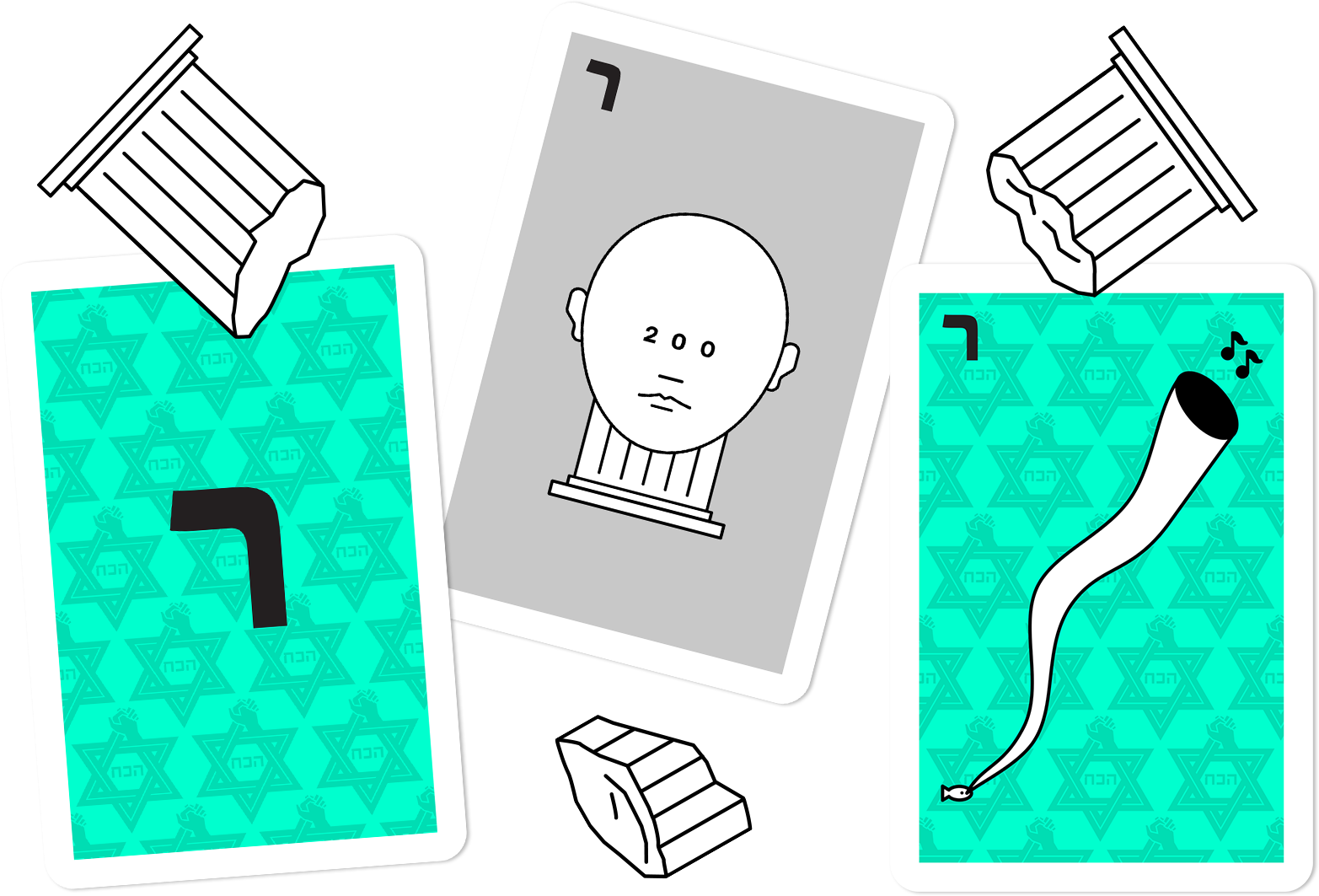 Resz ר jak Rosz ha-Szana (ראש השנה), czyli Święto Nowego Roku
Słowo “Rosz” znaczy głowa, co odnosi się do głowy jako do początku roku lub początku wszystkiego. Święto Nowego Roku, w czasie którego upamiętnia się stworzenie świata i przypomina o sądzie Bożym. To czas na refleksję i rozmyślanie na temat swego postępowania w minionym roku. W Polsce nazywane także Świętem Trąbek, ponieważ w dniu sądu rozbrzmiewać ma dźwięk trąby szofar.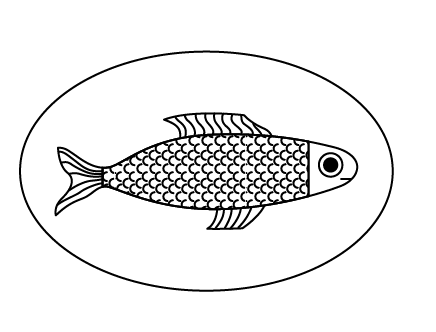 W czasie święta spożywa się potrawy, które mają symboliczne znaczenie:
- okrągła chałka maczana w miodzie oznacza cykl roku;
- gefilte fisz, czyli ryba z zachowaną głową, „aby Bóg sprawił, żebyśmy byli głową, a nie ogonem”;
- jabłka i plastry marchwi w miodzie będące symbolem radosnego i słodkiego roku, który nadejdzie.
Jakie Żydzi składają sobie życzenia na nowy rok?
Podczas święta Rosz ha-Szana Żydzi składają sobie życzenia „Obyście byli zapisani (w Księdze Życia) i opieczętowani na dobry rok”. Odpowiedź brzmi: „To samo dla ciebie”.
- Jakie Ty znasz zwyczaje noworoczne?
- Czy Ty lub Twoi bliscy macie swoje małe rytuały, które robicie 31 grudnia albo 1 stycznia?
Symbolika:
Literze hebrajskiej ר (Resz) odpowiada cyfra 200.
Znaczenie symboliczne: głowa, osoba, pierwszy.
Wybierz kartę z literą z Elementarza HaKoach
ק – Kof
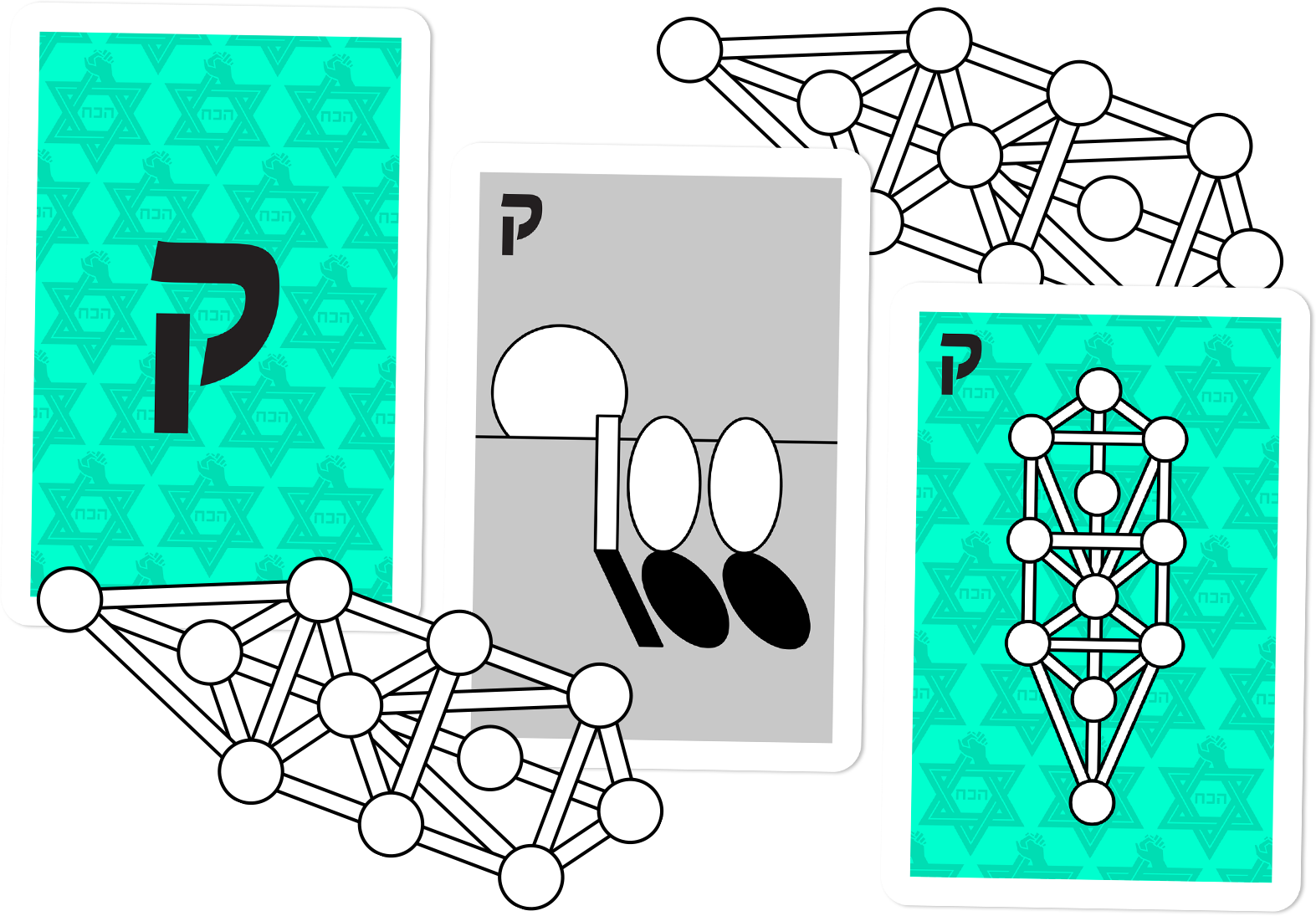 Kof ק jak Kabała (קבלה)
Słowo Kabała znaczy otrzymać, dostać, czyli zdobyć mistyczną wiedzę. Kabała to mistyczna szkoła judaizmu. Uważa się, że gdy wchodzi się z nią w kontakt, przyjmuje się sekretną i ukrytą wiedzę. Kabaliści uczą, że człowiek jest w stanie poznać świat, jego strukturę i samego Stwórcę dzięki ekspansji własnej świadomości. Kabaliści uważają, że pierwszą osobą, która przyjęła tę wiedzę był Adam. On dotknął tajemnej wiedzy jedząc jabłko z drzewa życia, ponieważ jego świadomość została rozszerzona.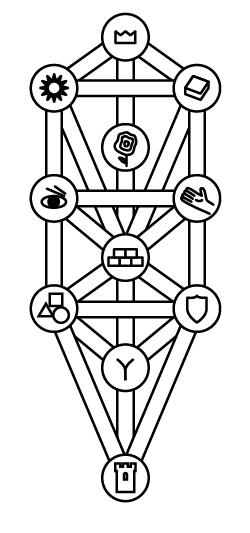
- Z czym Tobie kojarzy się słowo “kabała”?
- Czy Twoje skojarzenie jest podobne do tego przedstawionego na karcie
- Gdzie lub od kogo pierwszy raz usłyszałeś/aś słowo “kabała”?
- Kabaliści wierzą w reinkarnację i potęgę świadomości. Czy przypomina Ci to inne religie?
- Czy przypomina Ci to inne religie?
Symbolika:
Literze hebrajskiej ק (Kof) odpowiada cyfra 100.
Znaczenie symboliczne: słońce na horyzoncie, być za kimś, za czymś.
Wybierz kartę z literą z Elementarza HaKoach
פ – Pe
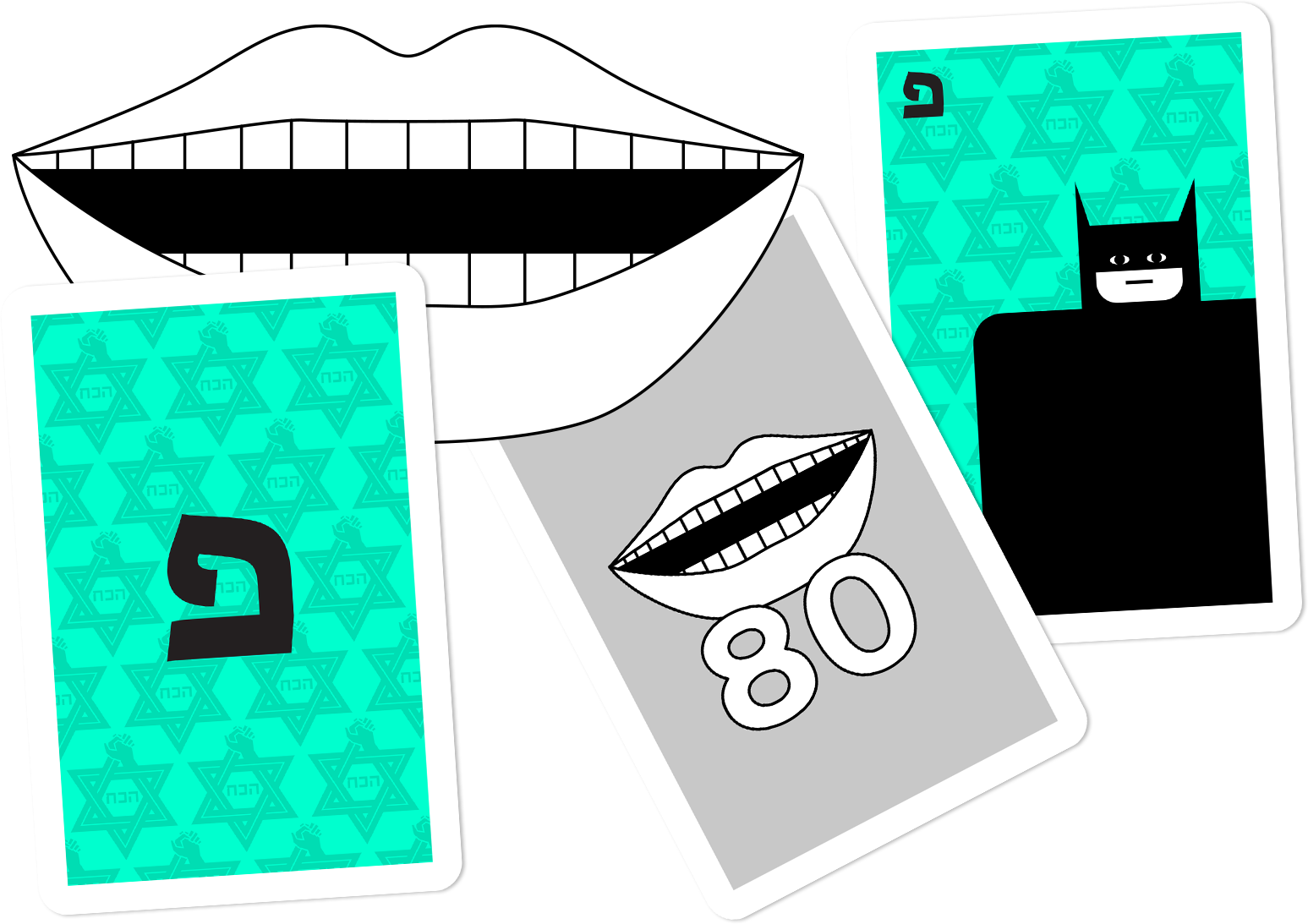 Pe פ jak Purim, czyli Święto Losów (פורים)
Słowo „purim” pochodzi od słowa „pur” – los, w znaczeniu los na loterii, wygrany los. Purim to najradośniejsze święto żydowskie.
Święto upamiętnia biblijną historię opisaną w Księdze Estery, w której to ta właśnie królowa ocaliła lud żydowski od zagłady. Pokrzyżowała plany Hamana – dostojnika dworskiego, który po rzuceniu losów (purim) wieszczących wydarzenia w kraju, namówił króla, by rozpoczął prześladowania Żydów.
Jak Żydzi świętują Purim:
Stałym obyczajem związanym z tym świętem jest dawanie jałmużny ubogim oraz obdarowywanie przyjaciół i sąsiadów drobnymi prezentami, zazwyczaj są to słodycze, owoce lub wino. Prezenty lub jałmużna powinny być dwukrotnie wyższe niż zwykle. Po nabożeństwie rozpoczynają się przyjęcia, spotkania przyjaciół, w trakcie których spożywa się świąteczne potrawy i przebiera w rozmaite stroje, np. z komiksów, filmów, czy Biblii. Najpopularniejsze są oczywiście Hamentasze, ale je się też specjalną purimową chałkę, kreplach, czyli żydowskie pierożki nadziewane mięsem i różne dania z fasolą np. zupę fasolową, co przypomina o tym, że Estera nie zjadłaby na dworze Achaszwerosza nic, co nie byłoby koszerne, więc jadła głównie groszek i fasolę.
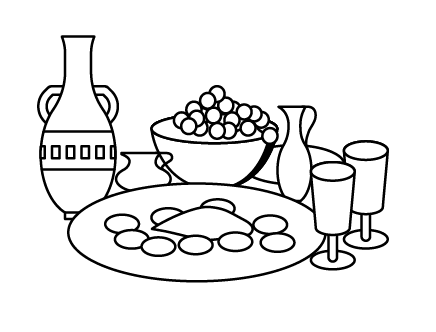 Oprócz wszelkich świątecznych dań i przysmaków podaje się też alkohol. Tradycja wręcz nakazuje obfite świętowanie: trzeba upić się tak, żeby nie móc odróżnić imienia wielkiego wroga Żydów Hamana od imienia wybawiciela Mordechaja.
- A Ty, jakie znasz najradośniejsze święta w roku?
- Co wtedy robicie? Czy przygotowuje się specjalne potrawy?
- Jakie są zwyczaje?
Symbolika:
Literze hebrajskiej פ (Pe) odpowiada cyfra 80.
Znaczenie symboliczne: usta, słowo, mówić.
Wybierz kartę z literą z Elementarza HaKoach
ע – Ajin
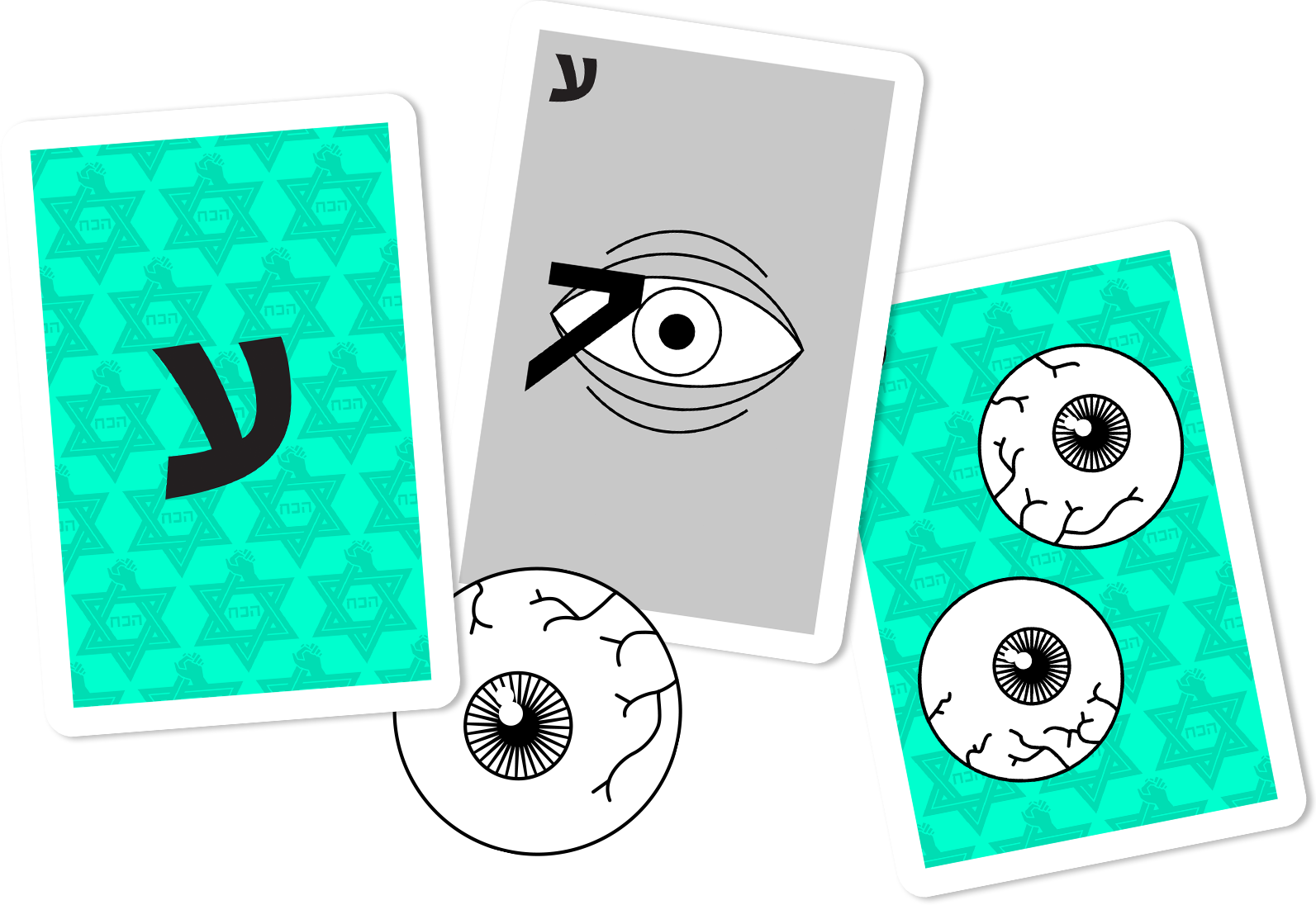 Ajin ע jak Ajin Hara, czyli Złe oko (עין הרע)
W moc złego spojrzenia wierzą ludzie z różnych kultur. Od Europy po Amerykę.
W judaizmie Złe Oko jest ludzkim spojrzeniem, które uważa się za szkodliwe dla kogoś lub czegoś. Może sprowadzać cierpienie i nieszczęście, jak ubóstwo, choroba czy nawet śmierć. Według kabały nie można bagatelizować żadnych negatywnych wpływów.
Aby odpędzić zły urok, zawiązuje się na nadgarstku czerwoną nitkę (w wielu kulturach) – to taki talizman. Jeśli pojedziesz do Jerozolimy, to na pewno spotkasz kogoś, kto będzie chciał zawiązać ci taką nitkę na ręce.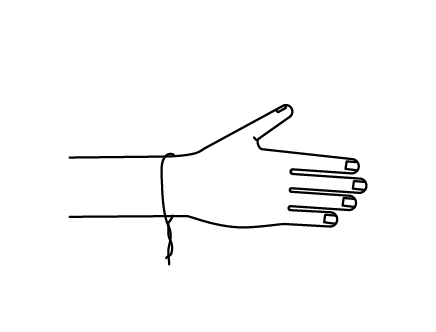
- A czy Ty wierzysz w talizmany, czy nie?
- Jakie znasz przesądy?
Symbolika:
Literze hebrajskiej ע (Ajin) odpowiada cyfra 60.
Znaczenie symboliczne: kolumna, podpora, ufać.
Wybierz kartę z literą z Elementarza HaKoach
ס – Samech
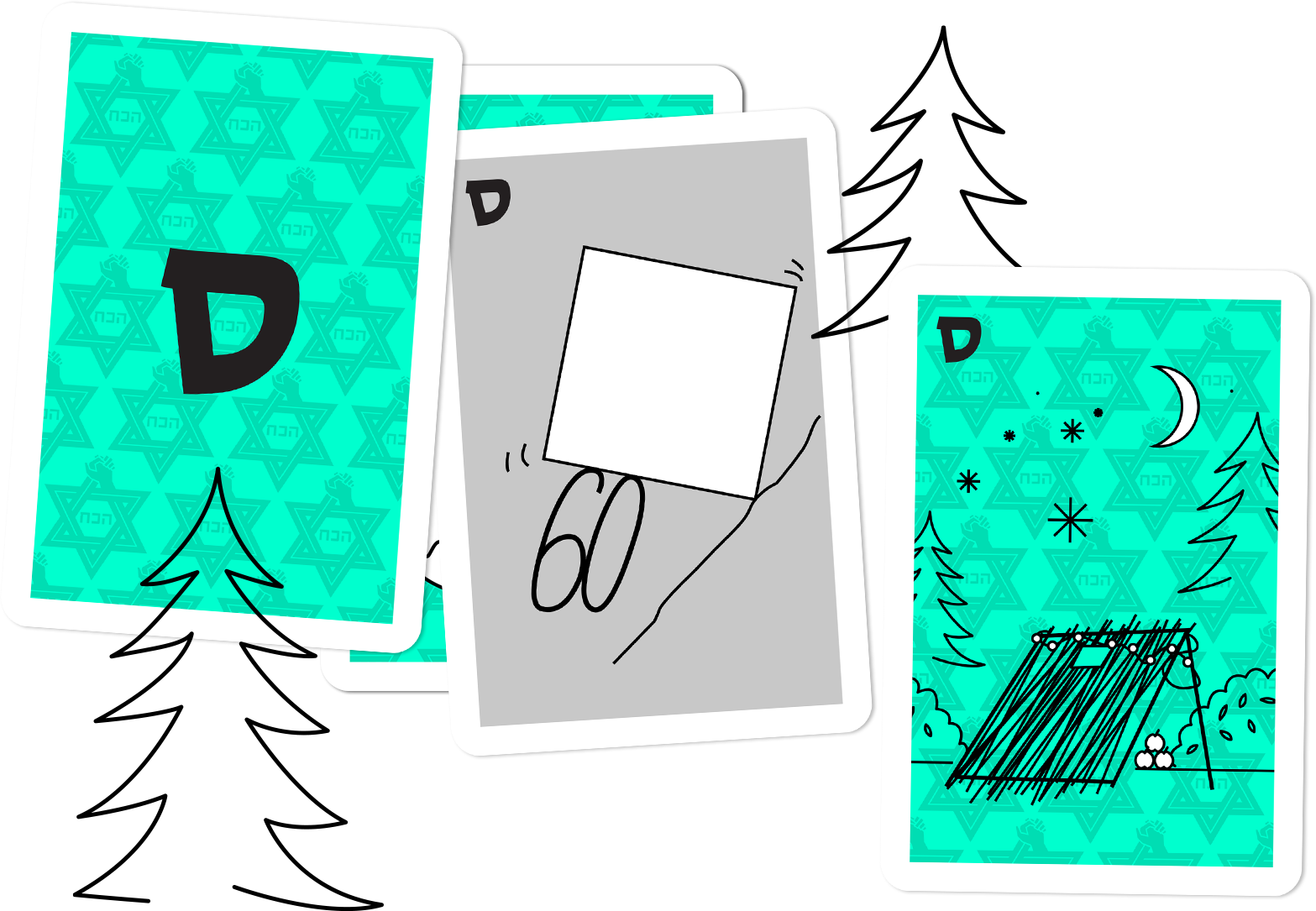 Samech ס jak Sukka lub Kuczka (סוכה) czyli Święto Namiotów!
Sukkot jest świętem upamiętniającym zamieszkiwanie w szałasach i namiotach podczas wyjścia z Egiptu i wędrówki do Kanaanu. To święto wędrówki i równocześnie święto odpoczynku, gdyż długa wędrówka przez pustynię prowadziła w końcu do odpoczynku w obiecanej przez Boga ojczyźnie.
Każda żydowska rodzina stawia w Sukkot własny szałas. W nocy lub wczesnym rankiem budują szałas zwykle obok domu, w ogrodzie. Jest najczęściej zrobiony z liści, gałęzi i patyków. Dach zazwyczaj jest wykonany tak, by dawał cień, ale też, by prześwitywało przez niego niebo.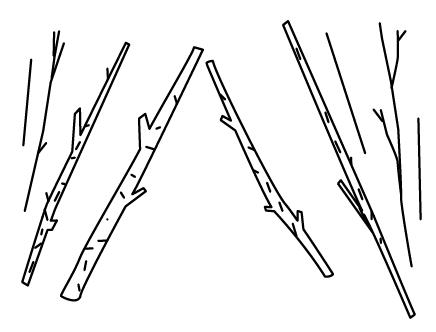 Szałasy są różne. Można je zrobić z rozmaitych materiałów: gałązek, roślin, drewna, nawet altanka ogrodowa da radę. Materiał ma drugorzędne znaczenie, najważniejsze jest to, żeby przez dach można było zobaczyć niebo. To oznacza, że nie może być całkowicie zakryty. Sukę ozdabia się gałązkami i roślinami, jakie uda nam się znaleźć. Można też wykonać własnoręczne dekoracje. W środku stawia się stoły i krzesła, przy których się biesiaduje i „mieszka” przez czas święta.
- Z czym Ci się kojarzy stawianie namiotu? Czy robisz to też we własnym ogrodzie?
- Zrób swój własny szałas:
1. Zbierz duże patyki.
2. Połącz je na jednym końcu.
3. Uzupełnij ściany szałasu – przerwy między patykami – małymi gałązkami
4. Ozdób szałas kwiatami. Nie zapomnij o pozostawieniu otworu, przez który widać niebo.
Symbolika:
Literze hebrajskiej ס (Samech) odpowiada cyfra 60.
Znaczenie symboliczne: kolumna, podpora, ufać.
Wybierz kartę z literą z Elementarza HaKoach
 English
  Polish