


 Pe פ jak Purim, czyli Święto Losów (פורים)
Słowo „purim” pochodzi od słowa „pur” – los, w znaczeniu los na loterii, wygrany los. Purim to najradośniejsze święto żydowskie.
Święto upamiętnia biblijną historię opisaną w Księdze Estery, w której to ta właśnie królowa ocaliła lud żydowski od zagłady. Pokrzyżowała plany Hamana – dostojnika dworskiego, który po rzuceniu losów (purim) wieszczących wydarzenia w kraju, namówił króla, by rozpoczął prześladowania Żydów.
Jak Żydzi świętują Purim:
Stałym obyczajem związanym z tym świętem jest dawanie jałmużny ubogim oraz obdarowywanie przyjaciół i sąsiadów drobnymi prezentami, zazwyczaj są to słodycze, owoce lub wino. Prezenty lub jałmużna powinny być dwukrotnie wyższe niż zwykle. Po nabożeństwie rozpoczynają się przyjęcia, spotkania przyjaciół, w trakcie których spożywa się świąteczne potrawy i przebiera w rozmaite stroje, np. z komiksów, filmów, czy Biblii.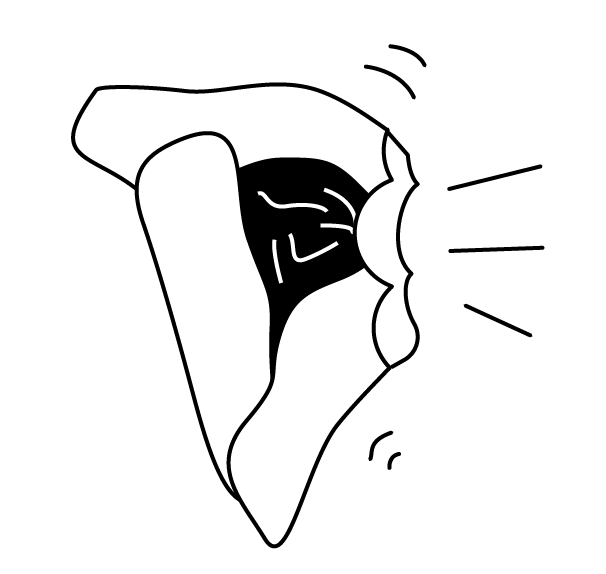 Najpopularniejsze są oczywiście Hamentasze, ale je się też specjalną purimową chałkę, kreplach, czyli żydowskie pierożki nadziewane mięsem i różne dania z fasolą np. zupę fasolową, co przypomina o tym, że Estera nie zjadłaby na dworze Achaszwerosza nic, co nie byłoby koszerne, więc jadła głównie groszek i fasolę.
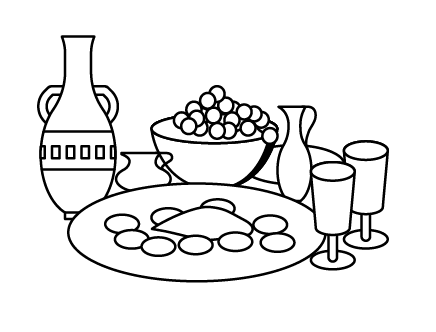 Oprócz wszelkich świątecznych dań i przysmaków podaje się też alkohol. Tradycja wręcz nakazuje obfite świętowanie: trzeba upić się tak, żeby nie móc odróżnić imienia wielkiego wroga Żydów Hamana od imienia wybawiciela Mordechaja.
- A Ty, jakie znasz najradośniejsze święta w roku?
- Co wtedy robicie? Czy przygotowuje się specjalne potrawy?
- Jakie są zwyczaje?
Symbolika:
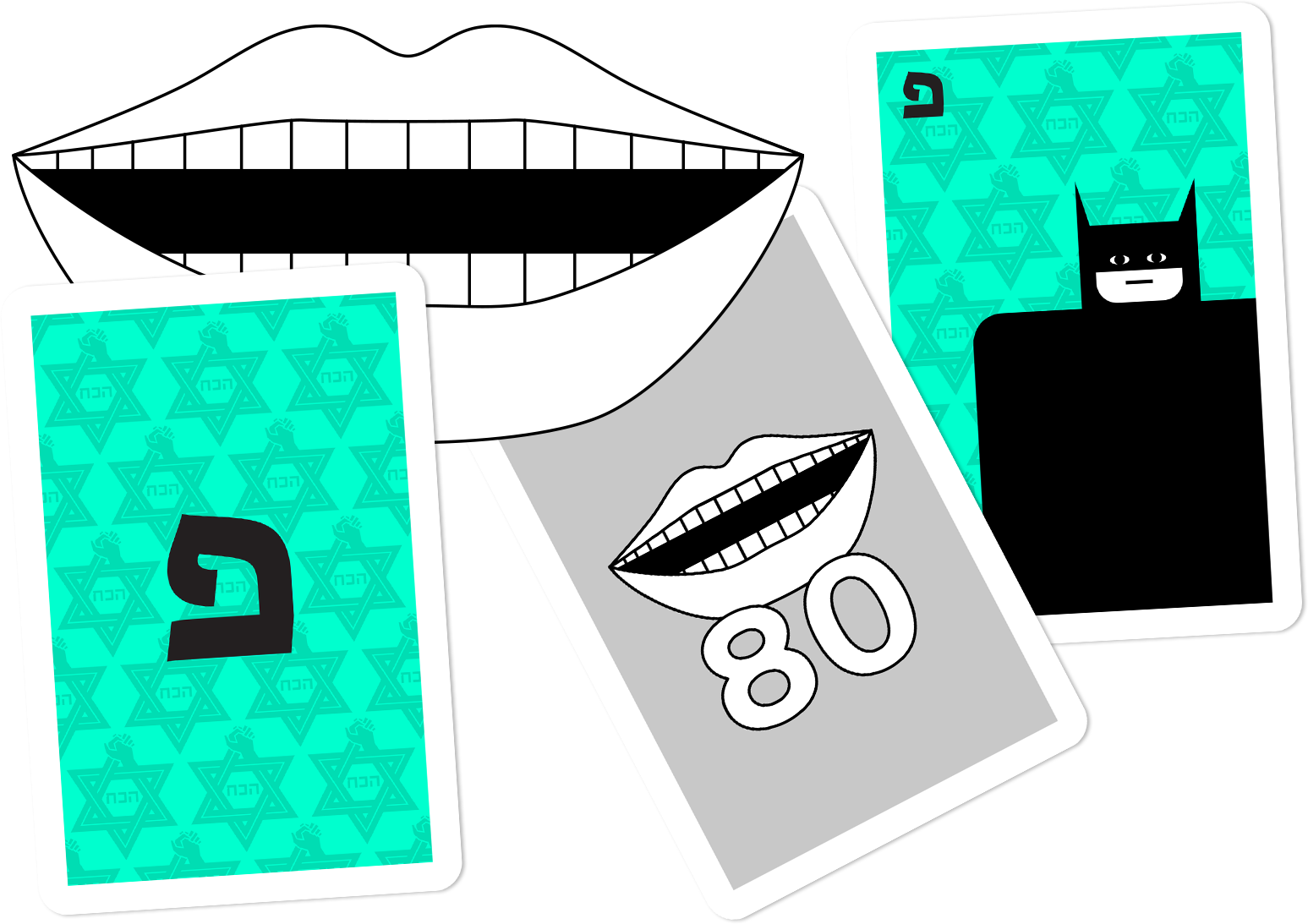
Literze hebrajskiej פ (Pe) odpowiada cyfra 80.
Znaczenie symboliczne: usta, słowo, mówić.
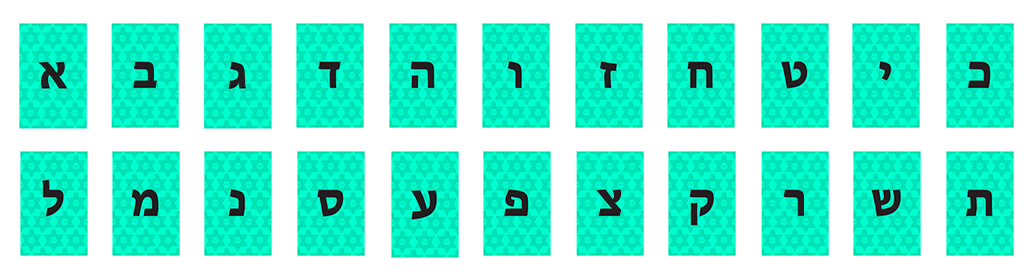
Wybierz kartę z literą z Elementarza HaKoach
 English
  Polish